Trying to choose between West Omaha and downtown Omaha? That decision can shape how you spend your mornings, your commute, your weekends, and even the kind of home that feels right for you. If you are weighing a more walkable urban pace against a more suburban routine, this guide will help you compare the two in a practical way. Let’s dive in.
Daily Life in Each Area
West Omaha and downtown Omaha offer very different day-to-day experiences. Neither is better across the board. The right fit depends on how you want your life to feel when you step outside your front door.
Downtown Omaha has a compact, historic, and pedestrian-oriented feel. The Old Market is known as Omaha’s original walkable neighborhood, and The RiverFront connects Gene Leahy Mall, Heartland of America Park, and Lewis and Clark Landing into a 72-acre park system with playgrounds, water features, river views, and public gathering spaces. If you like being close to events, dining, and activity, downtown puts that energy nearby.
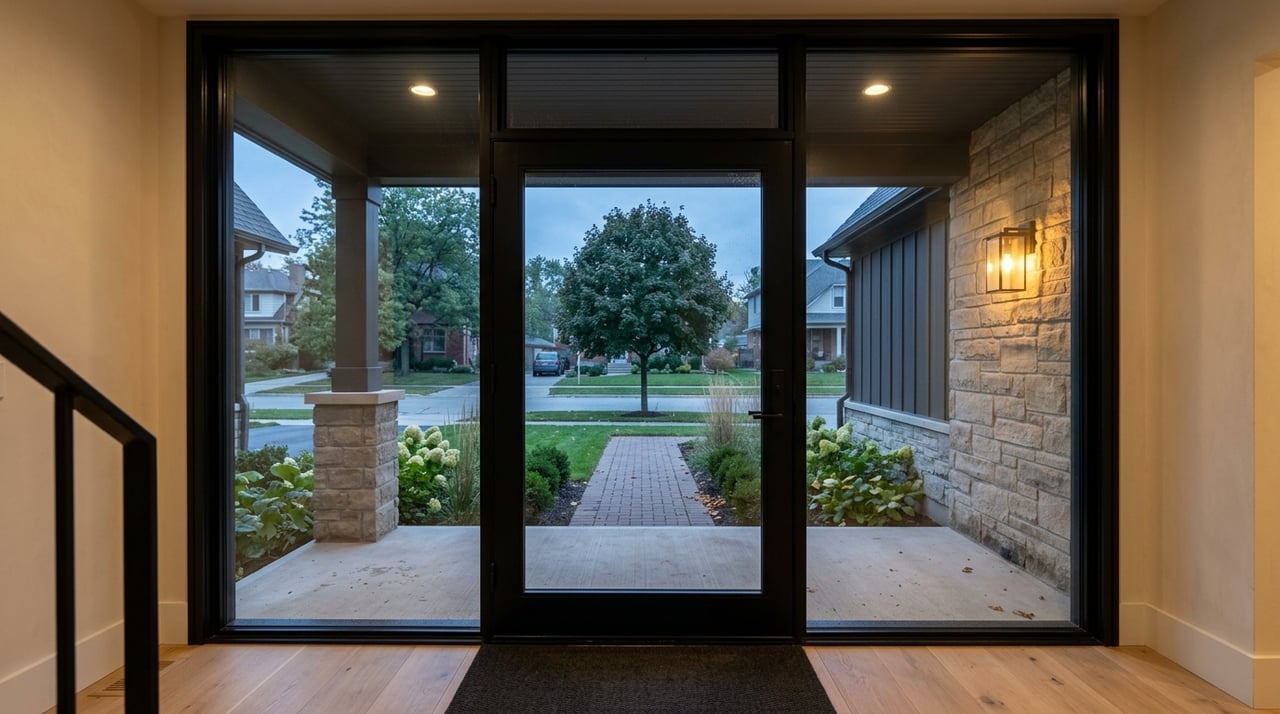
West Omaha feels more suburban and destination-based. Areas like Village Pointe and the Shops of Legacy center daily life around shopping, dining, and entertainment hubs, while places like The Row at Heartwood Preserve add more mixed-use convenience. You may find that West Omaha suits you if you prefer a quieter neighborhood rhythm with the option to drive to the places you need.
Commute and Transportation
Your commute can be one of the biggest lifestyle factors in this decision. The way you move through Omaha will likely feel very different in these two areas.
Downtown Transit and Walkability
Downtown offers Omaha’s strongest mix of walkability and transit access. Metro’s Green Route downtown circulator runs on weekdays during rush-hour windows every 6 minutes, with a $0.25 one-way fare and no transfers. ORBT also connects downtown along Dodge and Douglas out toward Westroads Mall, making the downtown-to-midtown-to-west corridor one of the area’s most visible transit routes.
If you want the option to walk to restaurants, parks, or entertainment and use transit for part of your routine, downtown has the clearest advantage. For some buyers, that convenience is a major quality-of-life upgrade.
West Omaha Driving Patterns
West Omaha is more car-oriented. Metro serves the area through routes such as Route 92 for West Omaha Park & Ride, Route 94 along West Center Road, and Route 97 serving Millard, but the overall structure still supports driving first.
If you value easy parking, wide road networks, and a routine built around your car, West Omaha may feel more natural. Many buyers prefer that flexibility, especially if their daily schedule includes school drop-offs, errands, or commuting across multiple parts of the metro.
Entertainment and Dining
How you spend your free time matters just as much as where you sleep. One of the biggest differences between downtown and West Omaha is how entertainment is spread out.
Downtown Activity Hubs
Downtown Omaha has a denser concentration of entertainment, dining, and cultural attractions. Old Market brings together restaurants, nightlife, boutiques, galleries, and seasonal events in one walkable area. Nearby destinations include Kiewit Luminarium, Holland Performing Arts Center, and Bemis Center for Contemporary Arts.
If you enjoy stepping out for dinner, meeting friends, or taking in local events without planning a full drive across town, downtown gives you that convenience. The experience tends to feel active, social, and close at hand.
West Omaha Gathering Spots
West Omaha leans more toward destination-style entertainment. Instead of one compact district, you are more likely to drive to shopping, restaurants, or community events. Village Pointe, the Shops of Legacy, and Heartwood Preserve all support that pattern.
A good example is Heartwood Preserve’s Friday Beats & Bites market, which blends produce, food trucks, live music, and lawn games in an open-air setting. If you prefer a more relaxed outing pattern with room to spread out, West Omaha may line up better with your lifestyle.
Outdoor Space and Recreation
Both areas offer access to outdoor amenities, but the experience is different. Your choice may come down to whether you prefer urban parks or longer recreation routes.
Downtown Parks and Public Spaces
Downtown outdoor space is more curated and urban. The RiverFront creates a connected park experience with spaces designed for gathering, recreation, and events. That setup works well if you want green space that is woven into a more active city environment.
For many residents, downtown’s outdoor appeal is less about long-distance trail loops and more about having attractive public spaces nearby for a walk, a break, or a weekend outing.
West Omaha Trails and Lakes
West Omaha stands out for longer trail and lake recreation options. Omaha’s trail system includes more than 85 miles of paved, interconnected trails, and west-side examples include the 7.5-mile Zorinsky Lake trail that connects to a 7-mile loop around Ed Zorinsky Lake, along with the 3.8-mile Standing Bear Lake loop.
If your ideal weekend includes walking, biking, or spending time near lakes and open space, West Omaha may offer the better fit. It supports a more spread-out recreation style that many buyers associate with suburban living.
Housing Style and Maintenance
The kind of home you want is often tied closely to the kind of lifestyle you want. Omaha overall has a balanced mix of owners and renters, with a 57.4% owner-occupied housing rate, a median owner-occupied home value of $245,500, and median gross rent of $1,150 based on the most recent Census periods cited in the research.
Downtown Housing Feel
Downtown housing is generally more compact and low-maintenance. Current communities in and around downtown and the Old Market, such as Lancaster Flats, Woolworth Village, and Joslyn Lofts, reflect apartment or loft living in the urban core. That pattern matches downtown’s historic, walkable character.
If you want less exterior upkeep and more convenience, downtown living may check the right boxes. It can be especially appealing if your priority is location and access rather than square footage.
West Omaha Housing Mix
West Omaha has a more suburban housing feel and includes a broader mix of newer attached housing options. Current examples such as Eden West, The Trails at North Streams, and Antler View reflect apartment homes and villa-style townhome living in newer areas.
For buyers who want more space, newer housing stock, or a neighborhood setup built around convenience, West Omaha often feels like the stronger match. That can be especially true if you want room to grow or a property that better supports a suburban routine.
Which Omaha Lifestyle Fits You?
If you are still deciding, it helps to think less about labels and more about your actual week. Picture where you like to grab coffee, how often you want to drive, what kind of home maintenance you want, and what your weekends usually look like.
Downtown Omaha may fit you best if you want:
- Walkability in your daily routine
- Easy access to restaurants, arts, and events
- Transit options close by
- Compact, low-maintenance living
- An urban pace with activity nearby
West Omaha may fit you best if you want:
- A more suburban day-to-day rhythm
- Driving convenience and easier parking patterns
- Access to lakes, trails, and longer recreation loops
- Newer housing options and more space
- Destination-style shopping, dining, and community gathering spots
The good news is that both areas offer strong lifestyle advantages. The right choice depends on what makes your life easier, more enjoyable, and more aligned with your next move.
If you are comparing neighborhoods, home styles, or your next move in Omaha, the Staci Mueller Group can help you sort through your options with clear guidance and a local perspective.
FAQs
What is the main lifestyle difference between West Omaha and downtown Omaha?
- Downtown Omaha is more walkable, compact, and activity-focused, while West Omaha is more suburban, car-oriented, and spread out.
Is downtown Omaha better for transit and walkability?
- Yes. Downtown has the strongest mix of walkability and transit access, including the Green Route circulator and the ORBT corridor.
Does West Omaha offer more outdoor recreation space?
- West Omaha offers strong access to longer trail and lake recreation, including Zorinsky Lake and Standing Bear Lake, while downtown focuses more on urban park spaces like The RiverFront.
What kind of housing is more common in downtown Omaha?
- Downtown housing is often more compact and low-maintenance, with apartment and loft-style living that matches the urban core.
What kind of buyer may prefer West Omaha?
- Buyers who want more space, newer housing options, driving convenience, and access to suburban-style recreation may find West Omaha a better fit.
