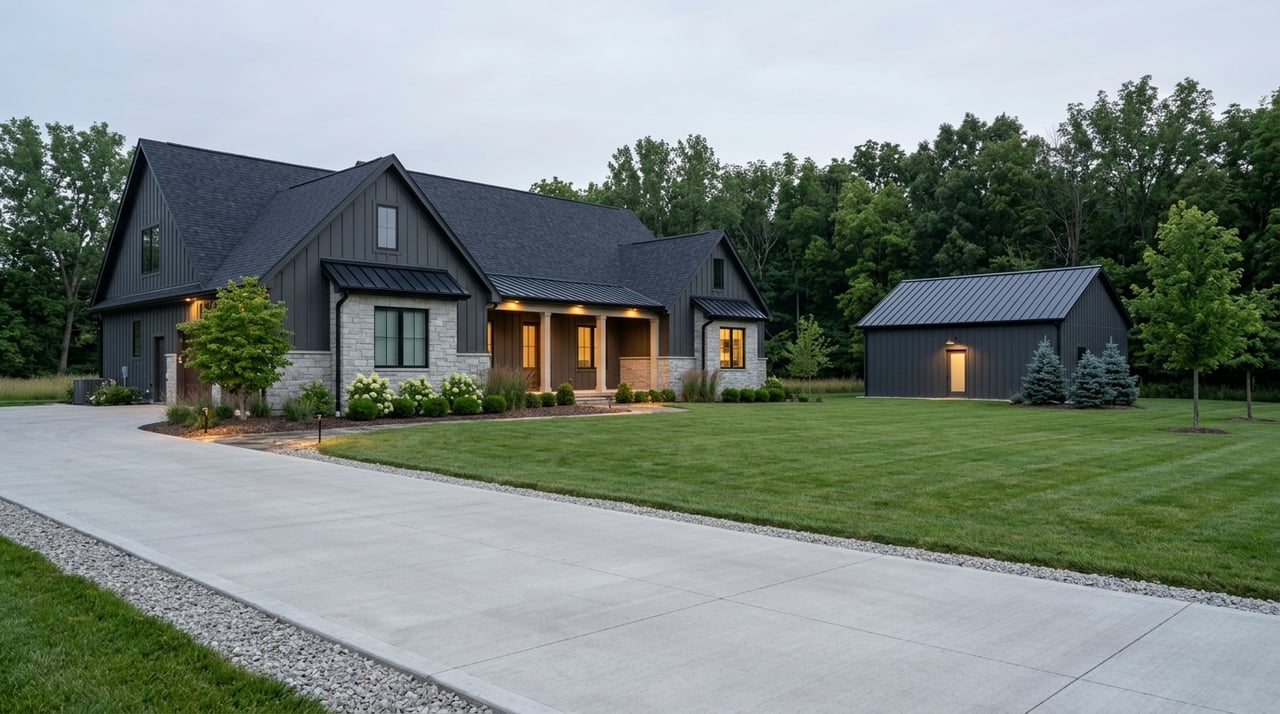
If you are searching for more space in Elkhorn, the words acreage and estate property can sound simple, but they often mean very different things in practice. You may be picturing privacy, room to build, or a long-term lifestyle move, yet the details that shape those goals usually come down to zoning, utilities, easements, and parcel-specific rules. This guide will help you understand what these labels often mean in Elkhorn and what to verify before you buy or sell. Let’s dive in.
What acreage means in Elkhorn
In Elkhorn, acreage and estate property are usually market terms, not one formal legal category. A listing may describe a home this way because it sits on a larger suburban lot, has a more private setting, or includes significant land near the edge of development.
That matters because two properties can look similar online but fall under very different zoning rules. One parcel may function like a large residential homesite, while another may sit in an agricultural district with stricter development limits and a very different due diligence process.
Why parcel verification matters
Before you assume a property is ready for a future outbuilding, pool, guest structure, or expansion, it is important to verify the parcel itself. Douglas-Omaha GIS maintains separate layers for Omaha zoning, Douglas County zoning, city limits, extraterritorial jurisdiction, and FEMA flood maps.
In other words, the label on the listing is only the starting point. What you can actually do with the land depends on the parcel’s zoning, setbacks, easements, utility access, and any recorded restrictions tied to the plat.
Common zoning patterns to know
R1 large-lot residential
Omaha’s R1 large-lot residential district is one example of a larger homesite category. It requires a minimum lot area of 20,000 square feet, a minimum width of 100 feet, a 50-foot front yard, 25-foot interior side yards, and a 35-foot rear yard.
For a buyer, that means a property can feel spacious without being true rural acreage. It may offer a larger footprint and deeper setbacks than a standard suburban lot, but the usable area is still shaped by zoning rules.
AG agricultural district
Omaha’s AG agricultural district is much more expansive. It requires a minimum lot area of 20 acres, a minimum width of 300 feet, a 50-foot front yard, 15-foot interior side yard, and a 25-foot rear yard.
This district also limits building coverage to 5 percent and impervious coverage to 10 percent. So while AG land may offer more openness, it can also come with tighter rules about how much of the site can be covered by structures or paved surfaces.
Cluster subdivisions in AG areas
There is another wrinkle buyers should know about. In Omaha’s AG district, cluster subdivisions may be allowed on a minimum total area of 20 acres, with lots as small as 1 acre if the health department approves water supply, septic, and waste disposal, and with a maximum lot size of 2 acres.
This is one reason the term acreage can be misleading. A property may sit in an area with agricultural zoning patterns without functioning like a large private ranch-style parcel.
Estate properties are not always huge parcels
Some estate-style homes in Elkhorn are defined more by presentation, privacy, and setting than by raw acreage. A home may have a custom design, a wide lot, longer setbacks, and a more secluded feel while still being in a residential district rather than on a large agricultural tract.
That distinction matters when comparing value. If you are choosing between two homes marketed as estate properties, the better fit depends on whether you want a luxury home on a larger lot, true land for future flexibility, or both.
Privacy depends on more than lot size
A larger number of acres does not automatically mean greater privacy or better usability. Lot width, setbacks, utility easements, drainage easements, and flood-hazard areas can all affect how much of the property feels open and how much can realistically be used.
Omaha’s subdivision code requires utility easements along lot lines, including 5-foot strips along front and side boundaries and 8-foot strips along rear boundaries of interior lots. Permanent stormwater easements may also be required where a subdivision is crossed by a watercourse.
What this means for buyers
When you tour an acreage or estate property, it helps to look beyond the house and ask where the truly usable land begins and ends. The backyard view may feel expansive, but the buildable area may be reduced by setbacks, easements, drainage features, or floodplain conditions.
That is especially important if you hope to add improvements later. Future plans often succeed or fail based on parcel details that are not obvious from photos or even from an in-person showing.
Utilities can vary from parcel to parcel
One of the biggest differences between a standard subdivision home and an acreage-style property is utility setup. Many metro parcels are served by M.U.D. for water and natural gas, but service should always be confirmed at the parcel level.
Some properties may connect to public systems, while others may rely on well and septic. That difference can affect maintenance, future costs, inspection needs, and long-term planning.
Sewer responsibilities
In Omaha, the sewer division is responsible for public sewer mains, but the property owner is responsible for the private service lateral that runs from the building to the main. That is a practical issue worth understanding before closing, especially on a larger or older property.
If public sewer is not available, Omaha code requires a private sewage treatment system approved by the health director. If a sanitary sewer later becomes adjacent or parallel to the property, connection is required, and the private system generally cannot remain after one year.
Septic system rules
Nebraska requires every dwelling that generates wastewater to have either a compliant onsite system or public sewer. Any constructed or modified onsite system must be registered, and proposed developments with onsite wastewater on lots under 3 acres need subdivision review.
For buyers, this means septic is not just a checkbox. You should verify whether the system is compliant, properly registered, and appropriate for the property as it exists today.
Well standards
Nebraska also regulates water wells. New water wells must be drilled by licensed contractors, and the state maintains well standards and inspection programs.
If a property uses a well, it is smart to confirm the setup, condition, and documentation early in the process. A well can be a perfectly workable utility source, but it deserves the same level of review you would give any major system.
Questions to ask before you tour
If you are considering acreage or estate homes in Elkhorn, a little upfront research can save time and reduce surprises. These questions can help you compare properties more clearly.
- What zoning district is the parcel in?
- What part of the land is buildable after setbacks and easements?
- Is the home on public sewer and water, or on well and septic?
- Are the well and septic permitted, registered, and in working order?
- Are there covenants, private restrictions, or SID-related obligations recorded with the plat?
- Is any part of the parcel in a floodplain, flood fringe, drainageway, or future right-of-way?
- Are fences, shops, barns, pools, or future additions allowed without extra city review?
Why due diligence is longer on acreage
Many move-up buyers love the idea of more space, and for good reason. You may gain more privacy, more flexibility, and a setting that feels very different from a standard neighborhood lot.
At the same time, acreage properties often trade convenience for complexity. The due diligence checklist is usually longer because there are more variables to verify, from utility type to easements to whether the parcel sits under Omaha zoning or another jurisdiction.
What sellers should understand too
If you are selling an acreage or estate property in Elkhorn, buyers will often have more questions than they would for a typical suburban listing. They may want clarity on zoning, utility service, sewer or septic details, easements, and any restrictions that affect future use.
That is why strong preparation matters. Clear property information, accurate positioning, and a thoughtful pricing strategy can help buyers understand the value of the land and the home without confusion.
How local guidance helps
Acreage and estate transactions often look straightforward on the surface, but the important details are usually parcel-specific. Understanding the difference between a large-lot residential site and a more rural-edge property can shape everything from pricing expectations to future plans.
Working with a team that understands residential, land, acreage, and luxury properties can make the process feel much more manageable. When you have clear communication and steady guidance, it becomes easier to evaluate whether a property truly fits your goals.
If you are exploring acreage or estate properties in Elkhorn, or preparing to sell one, the Staci Mueller Group can help you navigate the details with confidence and a clear local strategy.
FAQs
What does acreage property mean in Elkhorn real estate?
- In Elkhorn, acreage is usually a market label rather than one formal legal category, so the actual parcel size, zoning, and permitted uses need to be verified property by property.
What is the difference between acreage and estate properties in Elkhorn?
- Acreage usually points to land size, while estate property often describes a home with a more private or upscale setting, and the two terms can overlap without meaning the same thing.
What zoning should buyers check for Elkhorn acreage homes?
- Buyers should confirm the parcel’s zoning district, such as large-lot residential or agricultural zoning, because minimum lot size, setbacks, and development limits can vary significantly.
What utility questions matter for Elkhorn estate properties?
- You should ask whether the property uses public water and sewer or a well and septic system, and whether those systems are properly approved, registered, and functioning as expected.
Why do easements matter on Elkhorn acreage parcels?
- Easements can reduce the part of the lot that feels private or can be improved, especially when utility, drainage, or stormwater easements affect the buildable area.
What should sellers prepare for an Elkhorn acreage listing?
- Sellers should be ready to provide clear information about zoning, utilities, easements, restrictions, and parcel features so buyers can better understand the property’s value and potential.
